A quarterly publication of the Autism Research Institute


Spring, 2024 | Number 2, Volume 38
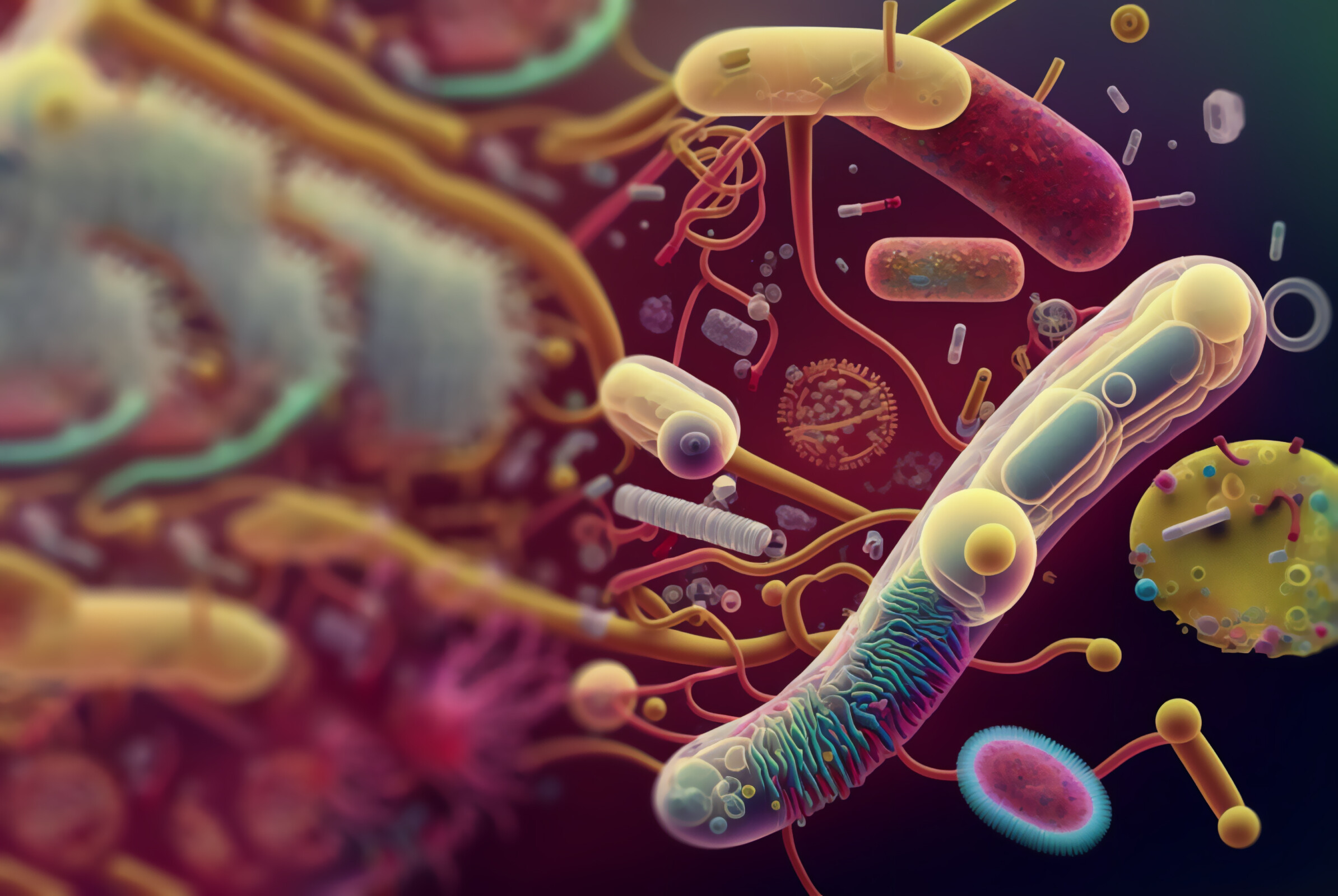
A large-scale study by researchers in Sweden, Finland, and the United States indicates that alterations in gut flora during infancy are associated with an increased likelihood of a child developing autism spectrum disorder (ASD) or another neurodevelopmental disorder (ND).
Senior study author Johnny Ludvigsson says, “We can see in the study that there are clear differences in the intestinal flora already during the first year of life between those who develop autism or ADHD and those who don’t. “
Angelica Ahrens and colleagues analyzed data collected on more than 16,000 children followed through the All Babies in Southeast Sweden (ABIS) study. Of the children, nearly 1,200 had been diagnosed with ASD, attention-deficit/hyperactivity disorder (ADHD), a communication disorder, or intellectual disability. Using extensive information collected on the ABIS cohort, the researchers looked for biological and environmental factors associated with an ND diagnosis. In addition, for a subset of children, they analyzed umbilical cord blood samples taken at birth, and stool samples collected at one year of age
Senior study author Johnny Ludvigsson says, “We can see in the study that there are clear differences in the intestinal flora already during the first year of life between those who develop autism or ADHD and those who don’t.” For example, a number of bacteria that contribute to optimal gut health, including Akkermansia, Bifidobacterium, Ruminococcus, and Faecalibacterium, were deficient in infants later diagnosed with NDs.
The researchers also found that children who experienced repeated ear infections early in life had increased odds of being diagnosed with an ND. They speculate that this was due not to the infections themselves, but to treatment with antibiotics. Their analysis showed that penicillin use when children were between one and two-and-a-half years of age resulted in a 1.6-fold higher likelihood of future ASD, and that children with future ASD were also more likely to have received non-penicillin antibiotics during this period.
Ahrens comments, “We’re not trying to say that antibiotics are necessarily a bad thing. But perhaps overuse can be detrimental to the microbiome, and for some children, for whatever reason, their microbiome might not recover as readily.”
Early gastrointestinal problems and mood disorders were also more common in children who later developed NDs. In addition, children born preterm were more likely to be diagnosed with NDs.
The researchers also compared substances in the umbilical cord blood of 27 children diagnosed with ASD with samples from controls. They found that children later diagnosed with ASD had low umbilical cord blood levels of linolenic acid, an essential fatty acid. In addition, they had higher levels than controls of chemicals in the PFAS category. These substances, used as flame retardants, are harmful to the immune system.
The researchers found that a number of additional factors—for instance, stress, exposure to tobacco smoke, and an HLA genotype associated with inflammation— increased the likelihood of a child developing an ND. However, they note that even when they accounted for these factors, the link between gut flora alterations and a future diagnosis of ND remained significant for many of the bacteria.
“Collectively,” the researchers say, “our findings suggest that an inflammatory stage, mediated by gut bacteria, may contribute to ND risk very early in life.” They add, “Our study emphasizes the need for further research on dysbiosis persistence and functional consequences across early childhood, crucial for developing optimal interventions and understanding causality.”
“Infant microbes and metabolites point to childhood neurodevelopmental disorders,” Angelica P. Ahrens, Tuulia Hyötyläinen. Joseph R. Petrone, Kajsa Igelström, Christian D. George, Timothy J. Garrett, Matej Orešič, Eric W. Triplett, and Johnny Ludvigsson, Cell, April 3, 2024 (free online). Address: Eric Triplett, [email protected].
—and—
“UF and Swedish researchers connect childhood microbiome with development of autism, ADHD,” Megan Winslow, University of Florida UF/IFAS Blogs, April 3, 2024.
—and—
“Autism and ADHD are linked to disturbed gut flora very early in life,” news release, Linköping University April 4, 2024.